
The Ultimate Guide to Moroccan Food: Dishes, Drinks & Dining Secrets You Need to Know
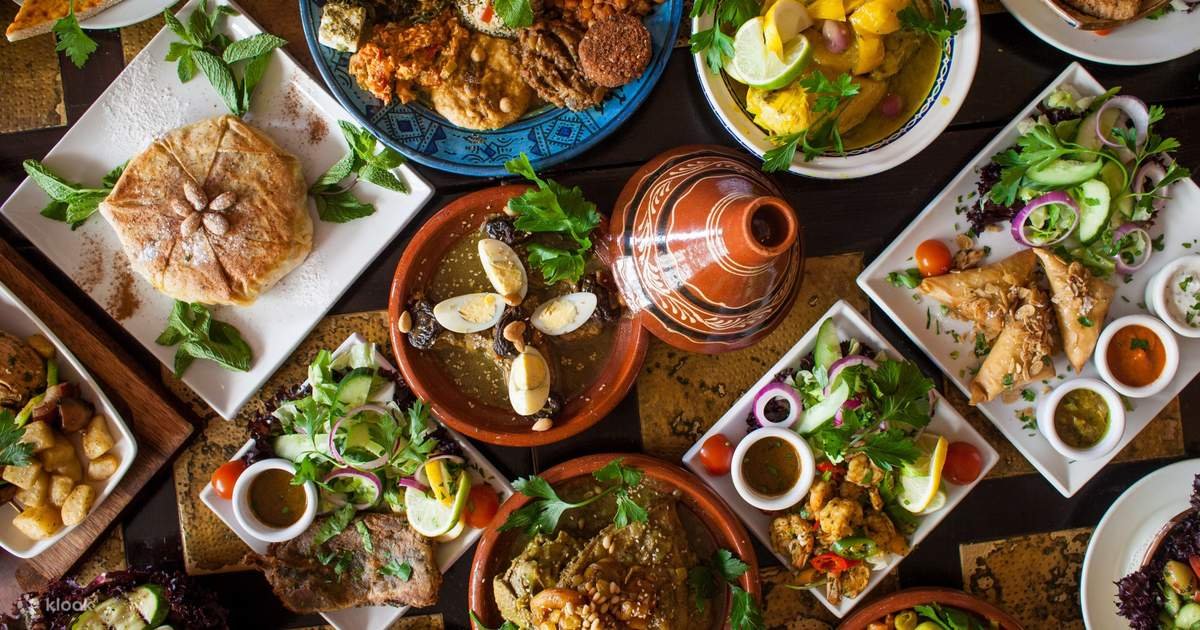
If you’ve ever wondered what is Morocco famous for when it comes to food the answer is: everything. From slow-cooked tagines and fragrant couscous to freshly squeezed orange juice and honey-dipped pastries, Morocco food is a full sensory experience that will stay with you long after you leave. This 2026 guide covers every dish, drink, and dining secret you need to eat like a true local.
Why Moroccan Food Is Unlike Anything Else in the World
Moroccan cuisine stands at the crossroads of Berber, Arab, Andalusian, and Mediterranean culinary traditions and the result is one of the most layered and aromatic food cultures on earth. Moroccan cuisine dishes are defined by the bold use of Moroccan spices such as cumin, coriander, turmeric, cinnamon, and the legendary spice blend known as Ras El Hanout. The typical Moroccan diet balances slow-cooked meats, fresh vegetables, legumes, bread, and sweet pastries a combination that is both humble and extraordinary.
What sets Morocco food apart is not just the ingredients, but the ritual around eating. Meals are communal. Bread is torn by hand. Mint tea is poured from a height. Every dish tells the story of a people, a geography, and a thousand-year-old tradition.
The History Behind Morocco’s Unique Flavor Profile
The Moroccan diet has been shaped by trade routes, conquests, and geography. Spices arrived from sub-Saharan Africa and the Arabian Peninsula. Olive oil, citrus fruits, and almonds came from the Mediterranean coast. Preserved ingredients like preserved lemons made by packing lemons in salt became signature ingredients still used in countless Moroccan food recipes today.
Iconic Foods in Morocco Every Visitor Must Try
Chicken with Preserved Lemons and Olives A Timeless Classic
No list of famous Moroccan food is complete without this dish. Slow-cooked chicken is braised with earthy olives and tangy preserved lemons, creating a sauce that is at once salty, sour, and deeply savory. It’s one of the most beloved Moroccan cuisine recipes you’ll find in homes and restaurants alike. What is a preserved lemon? It is a lemon that has been cured in salt and its own juice for weeks, softening the rind into a Jammy, intensely flavored ingredient that transforms any dish.
Tajine Barkok A Sweet and Savory Delight
Tajine Barkok is a prune and lamb tagine that beautifully balances sweetness with depth. Unlike the more commonly known tagine recipes, this dish uses dried plums, honey, and a generous pinch of Moroccan spice blend to create something that feels almost dessert-like while still being a main course. It is one of the most underrated best food in Morocco experiences and most tourists never discover it.
Kefta Meatballs and Tomato Sauce Tagine
Kefta tagine is spiced ground meat usually lamb or beef rolled into small balls and slow-cooked in a vibrant tomato sauce. Eggs are often cracked into the sauce at the end, making it a hearty one-pot meal. It is one of the most popular morocco foods served at traditional restaurants and is surprisingly easy to recreate at home with the right Moroccan food recipes.
Artichoke Tagine with Peas, Baby Potatoes and Preserved Lemon (Vegan)
For travelers exploring vegetarian Moroccan food recipes, this dish is a revelation. Tender artichoke hearts, sweet peas, and baby potatoes simmer in a light broth infused with saffron and lemon. It proves that Moroccan food in Morocco is far more vegan-friendly than many assume.
Aubergine and Pumpkin Tagine with Caramelised Onions (Vegan)
This dish is autumn on a plate. Roasted Aubergine and sweet pumpkin melt together beneath a crown of deeply caramelized onions. It is a staple of the Moroccan diet during winter months and one of the morocco traditional dishes that vegetarians will want to order at every meal.
Moroccan Soups and Starters You Can’t Miss
B’ssara Northern Morocco’s Beloved Fava Bean Soup
In the northern cities of Tangier and Chefchaouen, mornings begin with B’ssara a thick, creamy soup made from dried fava beans, finished with a generous drizzle of olive oil and a dusting of cumin and paprika. It is sold for just a few dirhams from street stalls and is one of the most authentic foods in Morocco you can try.
Fish Chermoula The Coastal Dish Tourists Overlook
Chermoula is a marinade and sauce made from fresh herbs, garlic, lemon, and spices and when it is used to coat fresh fish before grilling or baking, the result is extraordinary. The port city of Essaouira is famous for its Moroccan fish recipe, and Moroccan fish dishes cooked this way rank among the finest seafood experiences on the African continent. Moroccan sardines prepared with chermoula are especially popular along the Atlantic coast.
Makouda The Crispy Potato Fritters of the Streets
Makouda are deep-fried potato patties seasoned with cumin and herbs, sold hot from street carts across Morocco. Tucked inside a crusty roll with harissa, they are Morocco’s ultimate street snack. If you’re searching for the best food in Morocco at budget prices, Makouda is your answer.
Zaalouk Dip the Smoky Eggplant Starter Every Table Needs
Zaalouk is a cooked salad of roasted eggplant and tomatoes, spiced with cumin, paprika, and garlic. It is served warm or at room temperature as a starter alongside bread. Think of it as Morocco’s answer to baba ganoush smokier, spicier, and far more complex. It appears on virtually every Moroccan food table as part of the opening spread.
Moroccan Street Food Guide What to Eat and Where
Sampling Moroccan Food Like a Local
The best way to experience Moroccan food in morocco is to walk the medinas and eat what the locals eat. Jemaa el-Fna square in Marrakech transforms into the world’s greatest open-air restaurant after sunset dozens of stalls serve grilled meats, snail soup, harira, and freshly squeezed orange juice side by side. The atmosphere alone is worth the trip. If you’re interested in exploring more global dining scenes, check out this guide to the best Las Vegas restaurants.
Rfissa Express Fragrant Chicken and Lentils on the Go
Rfissa is traditionally a festive dish made with shredded chicken, lentils, and msemen flatbread soaked in a fragrant fenugreek and ras el hanout broth. Street vendors in Fez and Marrakech now offer simplified versions as a quick, warming meal. It is one of the hidden gems of Moroccan cuisine dishes that most tourists never discover.
Crispy Harissa Chickpea Caesar Salad A Modern Moroccan Street Bite
A new generation of Moroccan street food has emerged in 2025–2026, blending classic flavors with modern formats. Crispy chickpeas tossed in rose harissa paste a sweet, fragrant chili condiment and served over fresh greens is becoming popular in Casablanca and Marrakech’s Gueliz district. Rose harissa paste and spice harissa are among the most exciting ingredients defining modern Moroccan cooking today.
Fresh Drinks That Define the Morocco Food Experience
Freshly Squeezed Orange Juice Why It Tastes Different in Morocco
Morocco is one of the world’s largest producers of oranges, and the juice squeezed fresh at roadside stalls across Marrakech, Fez, and Meknes is genuinely extraordinary naturally sweet, ice-cold, and sold for just a few dirhams. It is one of the simplest yet most memorable foods in morocco experiences.
Making Mint Tea the Traditional Way
Moroccan mint tea or Maghrebi mint tea is more than a drink. It is a ritual of hospitality. Green tea is brewed strong with fresh spearmint leaves and a generous amount of sugar, then poured from a height into small glasses to create a froth. The recipe for Moroccan mint tea is deceptively simple: gunpowder green tea, fresh mint, and sugar but the technique of aerating the tea matters. The first glass is said to be gentle as life, the second strong as love, and the third bitter as death. How to make Moroccan mint tea properly is something every visitor should witness at least once.
Traveler Tip: Never refuse a glass of mint tea when offered by a shop owner or host. It is considered deeply rude to decline, and accepting it does not obligate you to buy anything.
Moroccan Mint Tea Infused Chocolate Truffles A Sweet Twist
Modern Moroccan chocolatiers in Casablanca and Rabat have begun infusing the flavors of mint tea Moroccan recipe into handmade chocolate truffles a beautiful fusion of tradition and contemporary pastry craft. These make incredible food souvenirs.
Moroccan Breads You Need to Try with Every Meal
The Bread Khobz, Morocco’s Everyday Essential
Bread called khobz is the centerpiece of every Moroccan meal. Round, slightly dense, and baked in communal ovens called ferran, Khobz is used to scoop up tagines, salads, and dips. In Morocco, wasting bread is considered sinful. If you drop a piece, you pick it up and place it somewhere elevated so birds can eat it. This respect for bread reflects the deep spiritual relationship Moroccans have with their food.
Plain Harcha + Zaatar and Black Olive Harcha
Harcha is a semolina flatbread pan-fried until golden, with a texture somewhere between a scone and a crumpet. Plain Harcha is served with butter and honey at breakfast. A savory version topped with zaatar and black olives has become a popular modern variation crispy, fragrant, and deeply satisfying. It is one of the most unique typical moroccan breakfast foods.
Baghrir Pancakes with Brown Butter Spiced Apples
Baghrir the famous thousand-hole pancake is made from semolina and yeast, giving it a spongy texture perfect for soaking up brown butter, honey, and spiced apple compote. The holes are formed naturally during cooking and are actually a sign of a well-made batter. It is one of the most photogenic and delicious Moroccan food desserts though Moroccans eat it for breakfast.
Moroccan Sweets and Desserts A World of Their Own
Some Interesting Moroccan Desserts You Didn’t Know Existed
Moroccan sweets go far beyond what most tourists encounter. Beyond the well-known pastilla and almond briouats, Morocco has a rich tradition of honey-soaked cookies, nut-filled pastries, and aromatic puddings. Moroccan food desserts are typically served with mint tea rather than as a course within a meal.
Sesame Seeds Gazelle Horns with Rainbow Sprinkles
Gazelle horns kaab el ghazal are crescent-shaped pastries filled with sweet almond paste made with honey and argan oil, lightly perfumed with orange blossom water. The classic version is plain; modern bakeries now coat them in colored sprinkles and sesame seeds for visual flair. They are the most elegant of all Moroccan sweets.
Chebakia and White Chocolate Cookies
Chebakia is a flower-shaped sesame cookie deep-fried in oil and coated in honey and rosewater traditionally made for Ramadan. Modern pastry chefs have created fusion versions combining chebakia’s sesame-honey base with white chocolate, resulting in a treat that bridges tradition and contemporary Moroccan baking.
Moroccan Halwa Sweet Treasures from the Souk
The word halwa simply means “sweet” in Arabic, and in Morocco it refers to a huge family of confections from sesame brittle to almond fudge to coconut squares. Every city has its own specialty. Browsing a halwa stall in Fez’s medina is one of the great Moroccan food pleasures.
Ras El Hanout and Chocolate Chunk Pumpkin Bread
What is Ras El Hanout? It is Morocco’s most complex spice blend a mixture of up to 30 spices including rose petals, cardamom, mace, nutmeg, and cinnamon. Its name means “top of the shop,” referring to the best spices a merchant has to offer. In modern Moroccan baking, Ras El Hanout is being used in sweet applications most impressively in a pumpkin bread with dark chocolate chunks that has become a bestseller in Casablanca’s artisan bakeries.
If you’re looking for a substitute for Ras El Hanout or a Ras El Hanout substitute at home, a mix of cinnamon, cumin, coriander, ginger, and a pinch of cardamom will get you close. A replacement for Ras El Hanout works in most recipes, but nothing quite matches the original.
Peach and Tomato Salad with Orange Blossom and Honey Dressing
This dish perfectly captures Morocco’s talent for combining savory and sweet. Ripe summer peaches and heirloom tomatoes are dressed with orange blossom water, honey, and a pinch of cinnamon a combination that sounds unusual but tastes extraordinary. It is one of the most creative expressions of modern Moroccan cuisine recipes.
Moroccan Breakfast What Locals Really Eat in the Morning
Mkila Morocco’s Authentic Breakfast Tradition
Mkila is a traditional slow-cooked liver dish typically lamb or beef liver seasoned with cumin and vinegar, served on skewers or as a sandwich filling. It is a popular morning street food in Marrakech and Fez, beloved by locals for its bold, deep flavor. It is arguably the most “local” of all typical Moroccan breakfast foods.
The Perfect Moroccan Breakfast Table Explained
A traditional Moroccan breakfast table is a beautiful spread: Khobz bread, Harcha, Baghrir pancakes, fresh butter, Amlou (a dip made of sweet almond paste made with honey and Argan oil), olive oil, honey, fresh cheese, and several small dishes of olives and jams. It is one of the most generous breakfast traditions in the world and is available at most Riads and guesthouses.
Hidden Morocco Foods Only Locals Know About
Tangia and Meshwi Marrakech Specialties Worth Traveling For
Tangia is Marrakech’s bachelor dish lamb or beef packed into a clay urn with spices and slow-cooked for hours in the embers of a traditional hammam furnace. Meshwi refers to whole slow-roasted lamb cooked underground in a sealed pit for up to 6 hours until the meat falls from the bone. Both dishes must be ordered in advance and are among the most memorable morocco traditional dishes in existence.
Sweet Chermoula Whole Roasted Cauliflower A Vegetarian Gem
A whole cauliflower is marinated in a sweet chermoula a fragrant paste of herbs, spices, honey, and olive oil then roasted until caramelized and tender. This dish showcases how Moroccan food has embraced vegetable-forward cooking without sacrificing depth or complexity. It is one of the finest vegetarian Moroccan food recipes you can make at home.
Moroccan Food Experiences You Can Actually Participate In
Cooking Tagine with the Women of a Local Co-operative
Several women’s co-operatives in the Atlas Mountains and rural Marrakech offer hands-on cooking experiences. Visitors join local women to prepare a full tagine from scratch grinding spices, preparing the base, and learning the exact technique for cooking using a tagine. What is tagine? It is both the name of the iconic conical clay cooking vessel and the slow-cooked stew prepared inside it. The clay traps steam, creating a moist, intensely flavored dish unlike anything cooked in a conventional pot.
Joining a Moroccan Pastries Workshop
Hands-on pastry workshops in Fez, Rabat, and Marrakech teach visitors to make Chebakia, gazelle horns, and Briouats. These workshops are led by experienced home cooks and provide genuine insight into the patience and skill required for traditional Moroccan food desserts.
Dining on Fresh Fish in Essaouira
The blue-and-white port town of Essaouira is Morocco’s seafood capital. The harbour market sells fish caught that same morning choose your fish, hand it to a nearby grill stall, and enjoy it minutes later with bread and chermoula sauce. It is the purest possible expression of fresh Moroccan fish recipe cooking.
Best Restaurants for Authentic Morocco Food
| Restaurant | City | Specialty |
| El Fassia | Marrakesh | Traditional Moroccan cuisine run entirely by women |
| Le Foundouk | Marrakesh | Fine dining in a beautifully restored caravanserai |
| Grande Cafe De La Poste | Marrakesh | French-Moroccan fusion in a colonial landmark |
| La Maison Bleue | Fez | Elegant traditional dining in the oldest medina |
Practical Tips for Food Explorers in Morocco
When to Eat What Moroccan Meal Times Explained
Breakfast is between 7–10am. Lunch the main meal of the day is served between 1–3pm. Dinner is lighter and eaten late, often after 8pm. During Ramadan, all eating happens after sunset (Iftar) and before dawn (Suhoor). The Ramadan table features harira soup, chebakia, dates, and special drinks making it one of the most unique Moroccan food experiences of the year.
Food Etiquette in Morocco Do’s and Don’ts
Always eat with your right hand. Break bread rather than cutting it. Accept mint tea when offered. Do not compliment the food excessively before finishing it can be interpreted as greed. If invited into a Moroccan home for a meal, bringing pastries or fruit as a gift is considered very respectful.
A Word of Caution Foods and Places to Be Careful About
Stick to freshly cooked, hot food from busy stalls. Avoid pre-cut fruit displayed in open air. Drink bottled water. Be cautious with Moroccan sardines and other raw seafood if the weather is very hot. In tourist-heavy areas like Djemaa el-Fna, always agree on a price before sitting down to eat.
Bonus Item Wine in Morocco: Morocco produces its own wine, primarily in the Meknes and Benslimane regions. Alcohol is available in licensed restaurants, upscale hotels, and some bars but is not served in traditional medina restaurants or family-run establishments. Be respectful of local customs.
Food Souvenirs to Take Home From the Souk
The best Moroccan food souvenirs to pack include: Moroccan spices (especially Ras El Hanout and Moroccan spice mixes), culinary Argan oil (different from cosmetic Argan oil ask specifically for Argan Alimentaire), preserved lemons, rose harissa in jars, orange blossom water, and dried rosebuds. Buy spices from fixed-price cooperatives rather than souk vendors to avoid being overcharged.
Frequently Asked Questions About Morocco Food
What Is Morocco Famous For In Terms Of Food?
What is Morocco famous for food-wise? Tagine, couscous, Pastilla, mint tea, and an extraordinary array of pastries and spices. It is also famous for its preserved lemons, Argan oil, and some of the world’s best olive oil.
Is Moroccan Food Spicy?
Most Moroccan cuisine dishes are aromatic and flavorful rather than spicy-hot. The heat in Moroccan cooking comes primarily from harissa and pepper, both of which are used with restraint in traditional recipes. Spice harissa is served as a condiment on the side, so you can control your own heat level.
What Do Moroccans Eat for Breakfast?
A typical Moroccan breakfast includes khobz bread, baghrir pancakes, Harcha flatbread, olive oil, butter, honey, amlou (almond-argan paste), olives, and fresh cheese all served with mint tea or coffee.
Is Morocco Good for Vegetarians and Vegans?
Yes, vegetarian Moroccan food recipes are plentiful. Zaalouk, Bissara, couscous with seven vegetables, lentil Harira, and vegetable tagines are widely available. The Moroccan diet naturally leans heavily on legumes and vegetables.
What Is Couscous and Where Does It Come From?
Couscous where does it come from? Couscous sometimes spelled koos koos food is a North African staple made from steamed semolina wheat. It originates from the Berber people of the Maghreb region (Morocco, Algeria, Tunisia). There are many varieties of couscous fine, medium, and large grain and it is typically served on Fridays as a communal family meal in Morocco, topped with slow-cooked vegetables and meat.
What Is Ras El Hanout And What Can I Substitute It With?
What is ras el hanout? It is a complex Moroccan spice blend containing up to 30 ingredients. For a Ras El Hanout substitute or substitute for ras el hanout, combine 1 tsp cumin, 1 tsp coriander, ½ tsp cinnamon, ½ tsp ginger, ¼ tsp cardamom, ¼ tsp turmeric, and a pinch of cayenne. This replacement for ras el hanout works well in tagines and marinades.
What Is A Lamb and Lentil Stew in Morocco?
Lamb and lentil stew in Morocco are most often a variant of harira or a slow-cooked tagine. It is a warming, protein-rich dish spiced with cumin, turmeric, and ginger typically eaten during colder months and always served with warm bread.
What Is the Difference Between Middle Eastern and Moroccan Food?
While middle eastern hors d oeuvres and Moroccan starters share some ingredients (hummus, olives, flatbread), Moroccan cuisine is distinctly North African heavier on aromatic spice blends like ras el hanout, more reliant on preserved ingredients like lemons and olives, and deeply influenced by Berber traditions not found in Middle Eastern cooking.
Conclusion Why Morocco Food Will Stay with You Forever
Morocco food is not merely sustenance it is a living expression of culture, history, and human generosity. From the smoky depths of a tangia slow-cooked in hammam embers to the delicate crunch of a freshly fried chebakia cookie, every bite in Morocco carries the weight of generations. The Moroccan cuisine dishes you taste here whether famous Moroccan food like tagine and couscous or hidden gems like baghrir and mkila will redefine your understanding of what food can be.
Whether you are planning your first trip to Marrakech or simply want to recreate the magic of Moroccan food in morocco at home, this guide gives you everything you need to eat with confidence, curiosity, and deep respect for one of the world’s greatest culinary traditions. What is Morocco known for? Now you know.
📌 Bookmark this guide, share it with your travel companions, and most importantly eat everything. You won’t regret it.