
Best Bank in UAE (2026): Honest Comparison for Expats, Salary & Savings
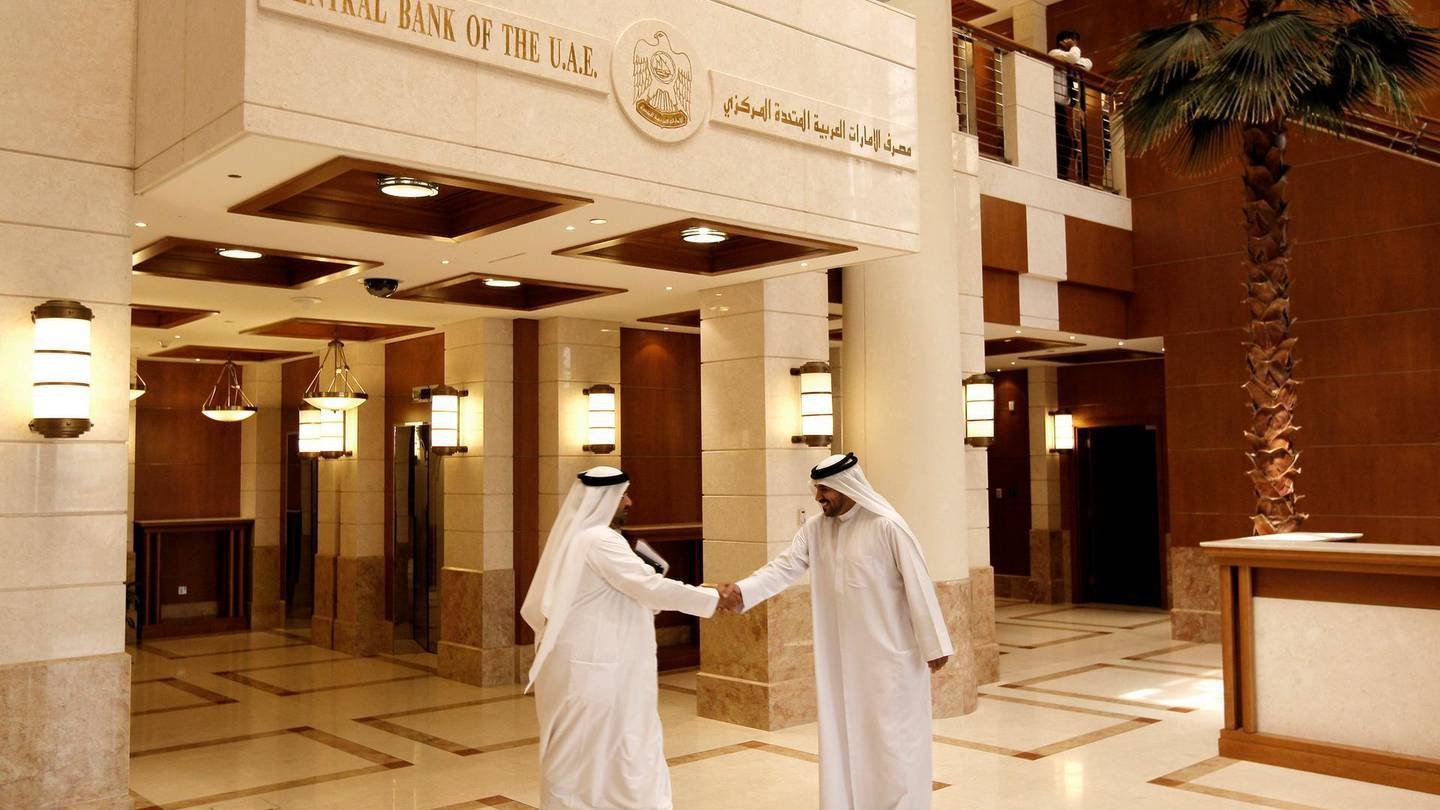
Finding the best bank in UAE is one of the most important decisions you will make when you arrive in the Emirates, yet most people rush through it. Whether you are a new expat setting up your first salary account, a seasoned resident looking for better savings returns, or a business owner exploring UAE banks for corporate needs, the right choice can save you thousands of dirhams every single year. The wrong one? Hidden fees, frozen accounts, and customer service that leaves you on hold for 45 minutes.
This guide cuts through the marketing noise and gives you a straight, honest 2026 comparison of the top banks in UAE, covering fees, digital experience, expat-friendliness, Islamic banking options, salary account perks, and much more. We have done the research so you don’t have to.
Why Choosing the Right Bank in UAE Matters More Than You Think?
Here is what nobody tells you before you land in Dubai or Abu Dhabi: your bank will touch almost every part of your financial life in the UAE. Rent cheques, salary transfers, school fee payments, credit card applications, home loan approvals, and remittances back home to Pakistan, India, or the Philippines, all of it runs through a single banking relationship. A poorly chosen account can cost you AED 500 to AED 1,500 in unnecessary fees per year through minimum balance penalties, international transfer charges, and ATM costs alone.
Beyond fees, the best banks in UAE offer seamless digital onboarding, multi-currency accounts, zero-fee international transfers to key corridors, and customer service that actually resolves issues. The gap between the best and worst banks in the UAE is enormous, and this guide exists to help you land on the right side of that gap.
How We Ranked These Banks (Our Criteria)
To identify the best bank in UAE for 2026, we evaluated every major institution across five core pillars. No sponsored rankings. No paid placements. Just a framework built around what real residents and expats actually need.
Fees & Minimum Balance Requirements
We looked at monthly maintenance fees, minimum balance thresholds, ATM withdrawal charges, and fall-below penalties. Many uae banks advertise “zero balance” accounts but bury a AED 25–AED 50 monthly fee in the fine print if your balance drops below a certain level. We flag all of that here.
Digital Banking & Mobile App Quality
In 2026, your phone IS your bank branch. We assessed app ratings on both the App Store and Google Play, speed of account opening, availability of instant virtual cards, biometric login, real-time notifications, and bill payment features. Banks like Mashreq Neo and Wio set the bar very high here.
Customer Service Rating
We reviewed expat community feedback, online ratings, and resolution times. Great customer service matters most during emergencies, a blocked card abroad, a failed salary transfer, or a disputed charge. We ranked banks on how quickly and effectively they resolve these issues.
Expat-Friendliness
With over 88% of the UAE population being expatriates, the best banks in UAE must cater to people from all nationalities and income levels. We looked at documentation requirements, account opening speed, multi-currency support, and how banks treat visa holders on probation or those with lower salary brackets.
Islamic vs Conventional Banking Options
The UAE has a mature and well-regulated Islamic banking sector. For residents who need Sharia-compliant products — from profit-sharing savings to Murabaha financing — we separately assessed institutions like ADIB bank Abu Dhabi, Dubai Islamic Bank, and Emirates Islamic Bank. This is a section most comparison sites skip entirely, but for millions of residents in the UAE, it is essential.
Best Banks in UAE 2026 – Quick Comparison Table
Here is a snapshot of the top banks in UAE based on our research, designed to help you identify your best match at a glance.
| Bank | Best For | Min. Balance (AED) | Monthly Fee | Islamic Option | Digital Score |
| Emirates NBD | Overall / Salary | 3,000 or salary | AED 25 if below | Via Emirates Islamic | ⭐⭐⭐⭐ |
| FAB (First Abu Dhabi Bank) | Large Transactions / Savings | No min (Elite: AED 50k salary) | Varies by tier | Yes | ⭐⭐⭐⭐ |
| Mashreq / Neo | Digital Banking / Millennials | AED 3,000 | AED 25 if below | No | ⭐⭐⭐⭐⭐ |
| RAKBANK | Low-Income Expats | AED 3,000 (salary AED 3k+) | Low | Yes | ⭐⭐⭐ |
| ADCB | Home Loans / Mortgages | AED 5,000 salary | Varies | Yes | ⭐⭐⭐⭐ |
| CBD (Commercial Bank of Dubai) | Hidden Gem / Daily Banking | AED 3,000 | Low | Yes | ⭐⭐⭐ |
| HSBC UAE | International Transfers | AED 3,000 | AED 25–50 | No | ⭐⭐⭐⭐ |
| Dubai Islamic Bank (DIB) | Sharia-Compliant Banking | AED 3,000 | Low | Yes (100%) | ⭐⭐⭐⭐ |
| ADIB (Abu Dhabi Islamic Bank) | Islamic Banking / Abu Dhabi | AED 3,000 | Low | Yes (100%) | ⭐⭐⭐⭐ |
| National Bank of Fujairah | Savings Returns | No minimum | None | Yes | ⭐⭐⭐ |
Best Bank in UAE for Salary Account
If you are a salaried employee in the UAE, your salary account is your most important financial tool. The best bank in UAE for salary accounts in 2026 is Emirates NBD, and it is not particularly close.
Emirates NBD’s Direct Remit service allows zero-fee salary transfers to India, Pakistan, the Philippines, the UK, Egypt, and Sri Lanka, which covers the top remittance corridors for the majority of expats in the UAE. Their standard current account requires either a monthly salary transfer or a minimum balance of AED 3,000 to avoid fees. For anyone earning AED 5,000 or more per month, Emirates NBD offers the best combination of branch access, digital banking, customer service, and international transfer perks available among all Dubai bank UAE options.
ADCB is a close second for salary accounts, particularly for those planning to take out personal loans or mortgages down the line, the salary relationship gives you much better loan eligibility. Their app is solid, fees are transparent, and the customer service team actually explains terms in plain language.
For lower-income salary brackets (AED 3,000 to AED 5,000), RAKBANK offers one of the most accessible salary accounts in the UAE, with a minimum salary threshold of just AED 3,000. This makes it the go-to best bank in UAE for blue-collar workers, early-career professionals, and recently arrived expats who haven’t yet built up significant savings.
Best Bank in UAE for Expats & New Residents
The best banks in UAE for expats are those that make the onboarding process painless, accept standard residency documents, and offer meaningful international banking features. Across these criteria, three banks stand out in 2026.
Mashreq Neo is arguably the most expat-friendly bank for new arrivals who want to get banking sorted in under 24 hours. You scan your Emirates ID, upload proof of address, and your account activates almost instantly. The virtual debit card works before the physical one arrives, which means you can start making payments and receiving your salary within the same day you apply. For freelancers, contract workers, and people still waiting for their residence visa to be stamped, Mashreq Neo’s digital-first approach removes most of the frustrating paperwork barriers.
Emirates NBD remains the best full-service option for expats who need a complete banking relationship, credit cards, cheque books (still required for rent in Dubai), personal loans, and international transfers all under one roof. Their extensive branch and ATM network across all seven emirates is unmatched among all top banks in UAE.
HSBC UAE is the top pick for expats who already hold HSBC accounts in their home countries. HSBC allows existing clients to open a UAE account even before they arrive in the country, which solves one of the biggest headaches for new residents. If you are transferring from the UK, Hong Kong, or Singapore, HSBC’s global view lets you see all your international accounts on one screen — an incredibly useful feature when you are managing money across multiple countries.
Documents typically required across all uae banks for expat account opening: passport, Emirates ID (or receipt), residence visa, proof of address, and sometimes a salary certificate or employment letter.
Best Bank in UAE for Business Accounts
Business banking in the UAE is a surprisingly underserved topic in most comparison guides. The best bank in UAE for business accounts in 2026 depends heavily on your company size and transaction volume.
First Abu Dhabi Bank (FAB) formerly known as FAB Abu Dhabi bank (created by the 2017 merger of National Bank of Abu Dhabi and First Gulf Bank) is widely regarded as the top choice for businesses that deal in large transaction volumes. As the largest bank in the UAE by total assets, FAB has operations across five continents and is best positioned for companies that need global banking relationships, trade finance, and large-scale corporate accounts. The FAB bank consistently ranks among the best for multinational businesses operating across the Gulf.
ADCB and Commercial Bank of Dubai (CBD) are strong choices for SMEs and small businesses. Both offer competitive fee structures, dedicated relationship managers, and solid UAE-focused payment infrastructure. CBD in particular is an underrated option, it maintains strong service quality without the premium price tag of FAB or Emirates NBD’s business tiers.
For Islamic finance-compliant businesses, ADIB bank Abu Dhabi and Dubai Islamic Bank offer Sharia-compliant corporate banking products including Murabaha trade finance, Ijarah leasing, and profit-sharing savings accounts.
Best Islamic Bank in UAE
Islamic banking in the UAE is not a niche product, it is a fully developed parallel financial system with over AED 1 trillion in assets. For residents who need Sharia-compliant accounts, the list of banks in the United Arab Emirates includes several world-class Islamic institutions.
Dubai Islamic Bank (DIB)
Dubai Islamic Bank, the Dubai bank UAE pioneer of Islamic finance, was founded in 1975 and is the world’s first full-service Islamic bank. DIB is particularly well-regarded for its retail banking products for expats, including tailored Sharia-compliant savings accounts, competitive personal finance options, and extensive UAE branch coverage. Their digital banking platform has improved significantly in recent years, making DIB one of the most complete options for residents who want Islamic banking without sacrificing digital convenience.
Abu Dhabi Islamic Bank (ADIB)
ADIB bank Abu Dhabi consistently ranks as one of the best Islamic banks not just in the UAE but globally. Their mobile app is clean and intuitive, their fee structure is transparent, and their profit-sharing savings accounts (the Islamic equivalent of interest-bearing accounts) are competitive. ADIB is especially strong for Abu Dhabi residents and those who prefer a bank deeply embedded in Islamic financial principles from account opening all the way to home financing.
Emirates Islamic Bank
Emirates Islamic is a wholly owned subsidiary of Emirates NBD, launched in 2004. It gives customers access to a Sharia-compliant banking experience backed by the scale and branch network of one of the largest banking groups in the Middle East. The combination of Emirates NBD’s infrastructure with full Islamic compliance makes Emirates Islamic an excellent choice for salaried employees who want halal banking without compromising on features.
Best Bank in UAE for Online & Digital Banking
The digital banking revolution is in full swing among the top banks in UAE. In 2026, the following institutions lead the digital-first experience.
Mashreq Neo remains the gold standard for digital banking in the UAE. Account opening takes minutes, requires only an Emirates ID scan, and produces a working virtual card almost instantly. The app interface is among the most polished in the entire region, and their NEO PLUS Saver account offers savings rates up to 6.25% per annum for salary customers, making it one of the most competitive products on the market. Mashreq’s commitment to being a digital bank is genuine, not a marketing label.
Wio Bank is the UAE’s newest challenger bank and has made waves since its launch. Wio Personal accounts come with savings rates up to 4.5% on flexible accounts, and the Wio Family plan allows groups to pool balances for higher rates. The subscription-based model (around AED 49/month if balance conditions are not met) is worth it for heavy users. Wio is a sign of where all uae banks are heading.
Liv. by Emirates NBD was one of the UAE’s first digital lifestyle banks and remains popular with young professionals and millennials. It offers savings rates from 0.5% to 4% through its Goal Account, no minimum balance requirement, and a budgeting interface that makes tracking spending genuinely useful rather than cosmetic.
Best Bank in UAE for High Savings Returns
Savings account rates in the UAE remain high heading into 2026, with top banks in UAE still offering up to 6.25% per annum. However, the headline rate almost always comes with conditions attached, typically a minimum balance, a salary transfer requirement, or a promotional period that ends without warning.
The best bank in UAE for pure savings returns in 2026, based on current advertised rates, is Mashreq Neo Plus Saver at up to 6.25% for salary customers transferring AED 10,000 or more per month, and 5% for non-salary customers. This is fully digital, requires no branch visit, and can be opened and managed entirely through the app.
FAB bank offers the iSave Account with a competitive promotional rate (valid until March 2026 at time of writing) and no minimum balance requirement, making it one of the most accessible high-yield options for those who cannot or do not want to meet a salary transfer condition. FAB’s Elite Savings Account targets high earners with monthly salaries of AED 50,000 or more, offering premium perks alongside strong rates.
National Bank of Fujairah (NBF) often overlooked in list of banks in Dubai comparisons, offers a Max Saver Account with up to 2.50% per annum in both AED and USD, no minimum salary, and no required balance. For conservative savers who want consistent, no-conditions returns, NBF is an excellent choice among the full list of banks in the United Arab Emirates.
For Islamic savings: ADIB bank Abu Dhabi offers some of the best profit-sharing rates in the Sharia-compliant segment, with competitive returns that rival conventional savings accounts. Emirates Islamic Bank is also worth comparing for Islamic savings products backed by Emirates NBD’s scale.
Bank-by-Bank Honest Review
Here is where we go deeper on each of the major Dubai international banks and UAE-based institutions, the full picture, not just the marketing.
Emirates NBD – Best Overall
Emirates NBD is the best bank in UAE for most residents, and it earns that title through consistency rather than any single standout feature. The branch and ATM network is the largest in the country. Direct Remit allows zero-fee transfers to six major expat corridors. The mobile app handles everything from salary transfers to loan applications to bill payments. Their standard current account requires a salary transfer or AED 3,000 minimum balance, manageable for most working adults. The credit card portfolio is strong, the loan processes are transparent, and customer service is better than the UAE average. For a first UAE bank account, Emirates NBD is the safe, smart default.
First Abu Dhabi Bank (FAB) – Best for Large Transactions
Born from the 2017 merger of the National Bank of Abu Dhabi (NBAD) and First Gulf Bank (FGB), FAB bank is now the largest bank in the UAE by assets and operates across five continents. The FAB Abu Dhabi bank is the institution of choice for high-net-worth individuals, corporate clients, and anyone dealing in large transaction volumes. Their Elite Savings Account rewards salary customers transferring AED 50,000 or more per month with free global ATM access, premium FX rates, and exclusive relationship management. For standard retail banking, FAB is solid but not exceptional, its real advantage is at scale.
Mashreq Bank – Best Digital Experience
Mashreq is the oldest UAE bank by founding date but the most forward-thinking in digital execution. The Neo platform is the UAE’s closest equivalent to a true neobank, offering near-instant account opening, a polished app, and savings rates that compete with the best in the market. The catch: you need to maintain AED 3,000 to avoid the monthly fee. For digitally savvy expats who want minimal branch interaction, Mashreq Neo is the single best answer to “which bank in dubai should I choose?” The 6.25% savings rate for salary customers is the highest available on a flexible account from any major UAE lender.
RAKBANK – Best for Low-Income Expats
RAKBANK (formerly known as the National Bank of Ras Al-Khaimah) is the best bank in UAE for expats earning between AED 3,000 and AED 5,000 per month. At a time when most top banks uae require minimum salaries of AED 5,000 to avoid fees, RAKBANK’s accessibility threshold of AED 3,000 makes it genuinely inclusive. The bank offers zero-balance salary accounts for qualifying customers, competitive personal loan rates, and an app that, while not as polished as Mashreq or Wio, handles day-to-day banking efficiently. It also has a dedicated Islamic banking window, making it a solid all-round option for budget-conscious residents.
ADCB – Best for Home Loans & Mortgages
Abu Dhabi Commercial Bank (ADCB) has built a strong reputation among UAE residents who are planning to buy property. The salary account-to-mortgage pipeline at ADCB is one of the smoothest in the country, with in-branch advisors known for explaining mortgage terms clearly rather than burying conditions in fine print. ADCB’s reward program for salary account holders also offers meaningful cashback and travel points. Among all the uae banks evaluated, ADCB strikes the best balance between a premium service feel and accessible salary thresholds (AED 5,000 per month). Their app supports full local transfers at no charge, and their customer service consistently scores above average in resident feedback surveys.
Commercial Bank of Dubai (CBD) – Hidden Gem
The Commercial Bank of Dubai is one of the most underrated institutions in the entire bank list of Dubai. With lower marketing budgets than its larger competitors, CBD doesn’t make headlines, but for day-to-day retail banking, it consistently delivers. Fees are competitive, minimum balance requirements are reasonable at AED 3,000, customer service wait times are shorter than at larger banks, and the digital app handles all standard transactions smoothly. If you are a UAE resident tired of feeling like a number at a megabank, CBD’s more personal service model is worth exploring. Check commercial bank of dubai news regularly for their promotional rate offers, they run some of the most competitive fixed-deposit promos in the market.
HSBC UAE – Best for International Transfers
Among all the Dubai international banks operating in the UAE, HSBC stands alone in its ability to serve expats with existing global banking relationships. If you already bank with HSBC in the UK, Hong Kong, Singapore, or elsewhere, you can open a UAE account before you even arrive. The global view feature, seeing all your HSBC accounts across multiple countries on one screen, is uniquely valuable for expats who maintain financial commitments in more than one country. HSBC UAE charges higher fees than local alternatives (AED 25–50 monthly depending on tier) but the international transfer infrastructure justifies the premium for frequent global movers. HSBC’s Premier and Jade tiers offer significantly enhanced services for qualifying high-net-worth customers.
Dubai Islamic Bank – Best Sharia-Compliant Option
For residents who want full Sharia compliance without any compromises, Dubai Islamic Bank is the premier choice. As the world’s first full Islamic bank, DIB has four decades of experience designing products that meet both modern financial needs and strict Islamic finance principles. Their retail accounts, personal finance products, and home finance (Ijara) offerings are among the most competitive in the Islamic banking segment. The digital experience has improved meaningfully in recent years, and the branch network covers all seven emirates. Whether you are searching for a bank in dubai for personal banking or need Sharia-compliant business finance, DIB consistently delivers.
UAE Bank Fees Comparison 2026 (Hidden Charges Revealed)
This is the section most comparison sites skip, and it is arguably the most important one. Here is the full picture of charges across the best banks uae and how they can erode your balance without you noticing.
- Fall-Below Fees: If your account balance drops below the required minimum, most uae banks charge a monthly fall-below fee ranging from AED 25 to AED 50. Emirates NBD, Mashreq, ADCB, and HSBC all operate this model. Many “zero-balance” accounts are not truly free, they waive the minimum balance requirement only if a qualifying salary is credited each month. Miss a month, and the fee kicks in automatically.
- International Transfer Fees: Standard international wire transfers from UAE banks range from AED 25 to AED 100 per transaction. Emirates NBD’s Direct Remit eliminates this fee to six specific countries. HSBC charges less for transfers within its own global network. For all other destinations, using a service like Wise or a bank-specific international transfer plan is strongly advisable.
- ATM Fees: Most top banks in the UAE offer free ATM withdrawals at their own machines. Cross-bank ATM withdrawals within the UAE typically cost AED 2 to AED 5. International ATM withdrawals range from AED 20 to AED 35, plus a foreign exchange markup of 1% to 3%.
- Inactivity Fees: Leaving an account dormant for 12 months or more can trigger inactivity fees of AED 25 per month at several major UAE lenders. This affects expats who open accounts then return abroad without formally closing them.wq
- Cheque Book Fees: First cheque book is usually free. Replacement books cost AED 25 to AED 50. In Dubai especially, cheques are still standard for rental payments, budget accordingly.
- Card Replacement Fees: Lost or damaged debit cards cost AED 25 to AED 75 to replace, depending on the bank and card tier.
Common Mistakes When Choosing a Bank in UAE
Understanding which bank in dubai or Abu Dhabi to use is one thing, avoiding the mistakes most new residents make is another. Here are the most common errors and how to sidestep them.
The first mistake is choosing a bank purely based on which branch is nearest to your apartment. Branch proximity matters far less in 2026 than it did five years ago, the best banks uae let you handle 95% of transactions via app. Prioritise digital quality over geographic convenience.
The second mistake is not reading the minimum balance fine print. A salary account marketed as “free” will typically charge a monthly fee if your salary is not credited that month. Understand the exact conditions before signing up, not after your first fee appears.
The third mistake is staying with a bank that no longer serves your needs. Many expats open an account in a rush when they first arrive, then never switch, even as better options emerge. In 2026, with digital onboarding taking less than 30 minutes at most top banks uae, switching is far less painful than it used to be.
The fourth mistake is ignoring Islamic banking options out of habit. Even non-Muslim residents sometimes find Islamic banking products advantageous, no interest-based late fees, transparent pricing, and institutions like ADIB bank Abu Dhabi that offer profit-sharing rates competitive with conventional savings accounts.
Can You Open a UAE Bank Account Without Residence Visa?
This is one of the most common questions for new arrivals, and the answer is nuanced. Most major uae banks require a valid UAE residence visa to open a full current account. However, there are important exceptions.
HSBC UAE allows existing HSBC clients from qualifying countries to open an account before their visa is stamped, a significant advantage for expats relocating from HSBC markets like the UK, Hong Kong, or Singapore. Some digital banks and fintech solutions offer limited accounts on visit visa status that convert to full accounts once residency is confirmed. A handful of UAE banks will accept an Emirates ID application receipt (proof that you have applied for your ID) in lieu of the completed ID itself, to accommodate the processing lag between visa stamping and Emirates ID issuance.
Non-residents (tourists, visa-on-arrival visitors) generally cannot open standard bank accounts at any of the institutions on the list of banks in the United Arab Emirates. The exception is dedicated non-resident or investment accounts offered by a few institutions to high-net-worth individuals with documented business interests in the UAE. For standard banking, residence status is a firm requirement across the bank list of Dubai and the wider UAE.
Best Bank in UAE for Sending Money Abroad
Remittances are a cornerstone of UAE expat financial life. The country sends more money abroad per capita than almost anywhere else in the world, with major corridors running to India, Pakistan, the Philippines, Egypt, Bangladesh, and Sri Lanka. Choosing the best bank in UAE for international transfers can save hundreds of dirhams per year.
Emirates NBD DirectRemit remains the market leader for fee-free transfers to the six major corridors (India, Pakistan, Philippines, UK, Egypt, Sri Lanka). Transfers typically arrive within minutes during banking hours. For the majority of expats in the UAE, this makes Emirates NBD the natural home for salary accounts regardless of other banking needs.
HSBC UAE offers competitive international transfer rates within its global network, particularly for transfers to the UK, USA, Hong Kong, and Singapore. If you regularly send money to Western or East Asian markets, HSBC’s global banking relationship is hard to beat.
For the best bank in UAE for UAE to Pakistan remittance specifically, a high-volume, high-search corridor — Emirates NBD DirectRemit offers zero fees and near-instant delivery. ADCB and RAKBANK also offer competitive Pakistan transfer products. For maximum transparency on exchange rates, many experienced expats use Emirates NBD or ADCB for their primary UAE banking but route large Pakistan transfers through the bank’s dedicated remittance service to compare rates on the day of transfer.
Third-party services like Wise and Western Union remain options for corridors not covered by bank-to-bank programs, often offering better exchange rates than standard bank international wire fees, though they add a layer of complexity outside the core banking relationship.
Final Verdict – Which Bank Should You Choose?
After reviewing all the major players across the top banks in UAE, here are our clear recommendations broken down by need. Remember: the best bank in UAE is the one that matches your specific financial situation, not just the one with the best advertising budget.
For Expats → RAKBANK or Mashreq
New residents with salaries between AED 3,000 and AED 5,000 should start with RAKBANK for its accessibility and low threshold requirements. More established expats who are comfortable managing everything digitally and earning above AED 5,000 will find Mashreq Neo the most rewarding combination of convenience, savings rates, and modern banking experience. Among all best banks uae for expats, these two cover the broadest range of arrival situations.
For Salary → Emirates NBD
For salary accounts, Emirates NBD is the best bank in UAE in 2026 without serious competition. The combination of zero-fee remittances to six corridors, the largest branch-and-ATM network, strong credit card products, and a reputation for reliable salary crediting makes it the obvious choice for most working residents. If you only have one banking relationship in the UAE, make it Emirates NBD.
For Savings → FAB or ADIB
For savings maximisation, FAB bank’s iSave Account offers competitive promotional rates with no minimum balance condition. For Islamic-compliant savings, ADIB bank Abu Dhabi is the leader, offering profit-sharing rates that rival the best conventional savings products while maintaining full Sharia compliance. Both deserve serious consideration from anyone focused on making their money work harder among the top banks in UAE.
For Business → ADCB or CBD
SMEs and growing businesses will find ADCB the most supportive bank for building a long-term commercial relationship, particularly if home loans or business finance is on the horizon. Commercial Bank of Dubai (CBD) is the best value option for small businesses that want solid service without premium price tags. For large corporates or multinational operations, FAB bank is the natural choice given its scale and global reach.
Frequently Asked Questions
Which Is The Safest Bank In UAE?
All banks operating in the UAE are regulated by the Central Bank of the UAE (CBUAE), which enforces strict capital adequacy and liquidity requirements. The safest banks by size and government backing are Emirates NBD (partially government-owned) and FAB bank (Abu Dhabi government-backed). ADIB bank Abu Dhabi and Dubai Islamic Bank are also considered very safe institutions. Depositors in UAE banks are protected under the UAE’s banking regulations, though the UAE does not have an explicit deposit insurance scheme equivalent to FDIC or FSCS, making bank selection from the stable top tier of uae banks especially important.
Which UAE Bank Has Zero Minimum Balance?
True zero-balance accounts, with no fees regardless of balance, include the National Bank of Fujairah (NBF) Max Saver Account, which requires no minimum balance or salary. Mashreq Neo, Liv. by Emirates NBD, and Wio Bank all market themselves as zero-balance accounts, but in practice they charge monthly fees if a salary is not credited or a minimum balance is not maintained. Always ask: “What do I need to maintain to avoid a monthly fee?” not just “Is it zero-balance?” when comparing best banks uae options.
Which Bank Gives Best Interest Rate In UAE?
Mashreq Neo Plus Saver currently offers the highest publicly advertised rate at up to 6.25% per annum for customers who transfer a salary of AED 10,000 or more. For non-salary customers, rates of 4.5% to 5% are available from Mashreq Neo, Wio Bank, and FAB iSave. Savings rates across all top banks uae are variable and linked to the US Federal Reserve rate (since the AED is pegged to the USD), so they can change without notice. Review rates quarterly and be prepared to switch if your current account’s rate drops significantly.
Can Tourists Open A Bank Account In UAE?
In most cases, no. Standard current and savings accounts at uae banks require UAE residence. A valid Emirates ID and residence visa are the standard requirements across the entire list of banks in the United Arab Emirates. Some banks make exceptions for high-net-worth non-residents with demonstrated UAE business interests. HSBC UAE allows existing global HSBC clients to open accounts before their visa is confirmed, but this requires an existing banking relationship with HSBC internationally.
Which Bank Is Best For UAE To Pakistan Remittance?
For UAE to Pakistan remittance, Emirates NBD DirectRemit is the top choice, offering zero fees and near-instant delivery to Pakistan. ADCB and RAKBANK also have competitive Pakistan transfer products. Al Noor Bank and several other mid-tier institutions run periodic promotions with reduced Pakistan transfer fees, worth monitoring if you send large or frequent amounts. Exchange rates vary daily, so for large transfers, always compare the live rate on the day rather than assuming your regular bank has the best deal. The combination of zero-fee DirectRemit and a competitive live exchange rate makes Emirates NBD the default answer for most Pakistan corridor remitters.
The best bank in UAE for you ultimately depends on your income level, lifestyle, remittance needs, and whether you prefer conventional or Islamic banking. What this guide has shown is that there is no single perfect answer, but there is a very clear best answer for each specific situation. Use the comparison table, the bank-by-bank reviews, and the final verdict section to make a confident, informed choice. Your bank account is the foundation of your financial life in the Emirates, get it right from day one.